

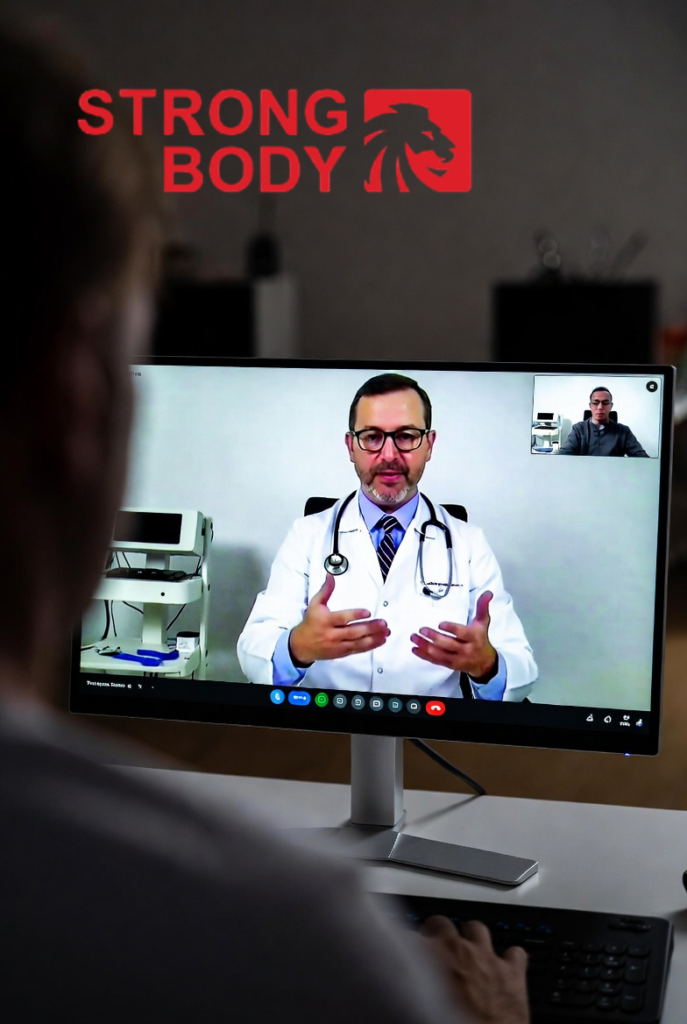
1. Average Wait Time 2025
In the year 2025, navigating the U.S. healthcare system for cardiovascular issues often means confronting frustrating delays that can impact patient outcomes. Recent surveys indicate that the average wait time for a new-patient appointment with a cardiologist has climbed to nearly 33 days across major metropolitan areas, reflecting a steady increase from previous years due to ongoing demands on specialist services. This figure, drawn from comprehensive data collected by AMN Healthcare in their 2025 Survey of Physician Appointment Wait Times, underscores a broader trend where access to specialized care is becoming more challenging due to systemic pressures. For instance, in cities like Boston or Atlanta, patients might wait up to 45 days for an initial consultation, while in rural areas, the delays can be even more pronounced due to fewer available specialists. These wait times are not just inconveniences; they represent potential risks for individuals dealing with conditions like coronary artery disease or arrhythmias, where timely intervention is crucial to prevent complications such as heart attacks or strokes.
The escalating demand for cardiology services is fueled by an aging population and rising prevalence of risk factors like obesity and diabetes. According to the American Heart Association (AHA), cardiovascular diseases affect over 92 million adults in the U.S., with projections estimating an 8% annual increase through 2030. This surge translates to more patients seeking appointments, overwhelming the existing infrastructure. In practical terms, a patient experiencing chest pain might schedule a visit only to find the earliest slot weeks away, during which symptoms could worsen. Moreover, for surgical procedures like coronary artery bypass grafting (CABG), wait times can extend from 4 to 8 weeks or longer in non-emergent cases, depending on hospital capacity and prioritization protocols.
Compounding these delays are the high costs associated with heart surgeries in the U.S. The average price for a heart bypass surgery in 2025 ranges from approximately $49,517 to $70,397, varying by state and facility type, but often exceeding $150,000 when including comprehensive care elements like pre-operative testing, hospital stays, and rehabilitation. In high-cost states like California or New York, expenses can balloon to over $200,000 due to factors such as advanced technology usage and specialist fees. With healthcare inflation hovering at 4-5% annually, these figures continue to rise, placing a significant financial burden on patients and their families, many of whom face out-of-pocket costs even with insurance.
In response to these challenges, a growing number of Americans are exploring global care options through medical tourism, where equivalent procedures can be obtained at savings of 60-90%, reducing costs to around $45,000 in destinations like India, Thailand, or Turkey. These locations offer JCI-accredited hospitals with state-of-the-art equipment and English-speaking staff, often providing immediate scheduling that eliminates the prolonged waits common in the U.S. For example, in India, CABG procedures cost between $7,000 and $12,000, with wait times typically under a week, allowing patients to address their conditions promptly. The medical tourism industry has expanded to a market value of about $38.2 billion in 2025, with cardiac care comprising a substantial segment, attracting patients seeking both affordability and efficiency.
This trend highlights a shift toward proactive health management, where patients prioritize timely access over local convenience. Consider a 58-year-old marketing executive from Chicago who notices irregular heartbeats during a routine jog; facing a 40-day wait locally could mean escalating anxiety and potential health deterioration, whereas opting for global care might resolve the issue in days at a fraction of the cost. Platforms facilitating these connections play a pivotal role, and one such innovative solution is StrongBody AI, which enables users to match with international cardiology experts for consultations within 24-48 hours, streamlining the path to affordable, no-wait interventions. By integrating AI-driven matching with secure payment systems like Stripe and PayPal, StrongBody AI empowers patients to explore options that align with their needs, potentially saving lives and reducing financial strain. This article delves into the nuances of wait times in U.S. healthcare, their underlying causes, health implications, and how global platforms like StrongBody AI are revolutionizing access to care.
Beyond the statistics, the human element underscores the urgency: prolonged waits contribute to increased emergency visits, higher overall expenditures, and diminished quality of life. The World Health Organization (WHO) notes that delays in cardiovascular treatment can heighten complication risks by 20-30% per month, emphasizing the need for alternatives. In 2025, with heart disease remaining the leading cause of death, accounting for about 258 per 100,000 population, innovative approaches are essential. StrongBody AI stands out by not only connecting patients to global providers but also offering tools like B-Messenger for real-time, translated communications, ensuring seamless planning for procedures abroad.
2. What is “Wait Time” in US Healthcare?
“Wait time” in the U.S. healthcare context refers to the period between a patient’s request for medical services and the actual delivery of those services, encompassing various stages from initial appointments to diagnostic tests and treatments. As outlined by the American Medical Association (AMA), this includes appointment scheduling delays, in-office waiting periods, and queues for specialized procedures. In cardiology, where conditions demand prompt attention, the average wait for a non-urgent appointment reached 32.7 days in 2025, with metropolitan areas often exceeding this benchmark. This metric varies by urgency: emergent cases might be addressed within hours, but elective or semi-urgent ones, such as follow-ups for stable angina, can extend to weeks or months.
Wait times highlight imbalances in supply and demand, with only around 25,000 active cardiologists serving over 330 million people, leading to bottlenecks especially in high-demand specialties. For diagnostics like angiography, waits typically span 2-4 weeks, while surgeries such as CABG might require 4-8 weeks, influenced by factors like insurance approvals and hospital resources. Comparatively, systems in Germany or Singapore achieve shorter waits of 10-15 days through efficient public-private integrations, prompting U.S. patients to consider international alternatives.
Global care reduces these waits dramatically, offering CABG at 70% lower costs— from $150,000 in the U.S. to $45,000 abroad— with near-immediate access. Platforms like StrongBody AI facilitate this by allowing users to create Buyer accounts, select interests in cardiology, and receive matched expert offers swiftly, complete with voice translation for cross-border consultations.
Clinically, delays can exacerbate issues; in heart failure, postponed medication adjustments might lead to reduced ejection fraction and fluid overload. A patient with aortic stenosis facing a 3-month wait could see valve narrowing progress by 0.1-0.3 cm² annually, increasing cardiac pressure. Thus, minimizing wait times through global options preserves health effectively.
3. Causes of Doctor Shortages & Overloaded Schedules
Physician shortages and overloaded schedules in the U.S. arise from demographic shifts, professional burnout, training constraints, and uneven distribution, projecting a deficit of 37,800-124,000 doctors by 2034, with cardiology particularly affected. An aging population drives demand, with seniors over 65 requiring 407,300 physicians by 2034, amplifying cardiology needs by 45%. Cardiologists manage 2,000-2,500 patients yearly, exceeding AMA guidelines.
Burnout affects 62% of physicians, leading to reduced hours and early exits, with post-COVID backlogs increasing waits by 19% since 2022. Training programs number only 259 for cardiology, producing 1,000 specialists annually against a need for 1,500. Rural areas host just 10% of cardiologists despite 20% population share.
Administrative tasks like authorizations divert time, perpetuating the cycle. Global care alleviates this by accessing international specialists, with India offering U.S.-trained cardiologists at lower costs. StrongBody AI connects patients to these resources, matching based on needs for quick consultations.
4. Mechanism of Disease Worsening During Waiting
Waiting for treatment in cardiovascular diseases allows pathological processes to advance through several interconnected biological mechanisms, turning potentially manageable conditions into severe, life-threatening states. In coronary artery disease (CAD), delays facilitate the progression of atherosclerosis, where inflammatory cytokines such as interleukin-6 (IL-6) and tumor necrosis factor-alpha (TNF-alpha) promote plaque accumulation in arterial walls. This inflammation triggers endothelial dysfunction, leading to increased adhesion of monocytes and lipid deposition, which can narrow arteries by 10-20% per month if untreated, heightening the risk of thrombosis and acute myocardial infarction. Oxidative stress plays a key role here, with reactive oxygen species (ROS) damaging vascular cells, inducing apoptosis (programmed cell death) in cardiomyocytes, and further destabilizing plaques, potentially causing rupture and sudden cardiac events.
For heart failure, prolonged waits exacerbate ventricular remodeling, a process where the heart’s structure changes in response to stress, resulting in hypertrophy and fibrosis. Without timely intervention, ejection fraction—a measure of the heart’s pumping efficiency—can decline from 50% to below 40%, leading to fluid retention, pulmonary congestion, and multi-organ strain, including renal impairment due to reduced perfusion. In aortic stenosis, valve calcification progresses at a rate of 0.1-0.3 cm² per year, but delays amplify hemodynamic stress, increasing left ventricular pressure overload by 20-30 mmHg, which can precipitate arrhythmias or sudden death. Each additional week of delay has been associated with a 5% increase in rehospitalization rates, as untreated neurohormonal activation (e.g., renin-angiotensin-aldosterone system overdrive) perpetuates a vicious cycle of myocardial damage.
These mechanisms are not isolated; they interact synergistically. For instance, in pre-hypertension, untreated delays can accelerate progression to overt hypertension through vascular stiffening and endothelial nitric oxide synthase (eNOS) dysfunction, raising systolic blood pressure by 5-10 mmHg monthly and compounding CAD risks. Post-critical illness cardiovascular disease involves lingering inflammation from prior events, where delays in follow-up care allow persistent cytokine storms to foster arrhythmias and cardiomyopathy. Overall, these processes underscore the importance of early intervention to halt molecular cascades like matrix metalloproteinase activation, which degrades extracellular matrix and weakens vessel walls.
In the U.S. market, where wait times average 33 days for cardiology, these progressions contribute to higher emergency admissions, with data showing a 3.4% mortality increase in delayed cases. Global care options mitigate this by providing rapid access, reducing costs by 70% for procedures like CABG, from $150,000 to $45,000.
Real-life story: Mr. Thomas, a 62-year-old retired teacher from Dallas, Texas, was diagnosed with 80% coronary artery blockage in February 2025 after a routine physical exam revealed persistent chest pain during daily walks in his neighborhood park. The situation arose amid his active lifestyle, where he volunteered at local schools, but the pain began limiting his ability to engage with students, causing frustration and a sense of isolation from his community. Emotionally, Thomas felt overwhelmed, worrying about his wife of 35 years who relied on him for household tasks, and his two adult children who lived out of state, leading to sleepless nights and heightened anxiety about potential heart attacks. The local healthcare system’s 50-day wait for angiography risked further plaque instability, with potential IL-6-driven inflammation accelerating thrombosis. Direction for resolution: Seeking alternatives, Thomas turned to StrongBody AI to connect with global experts. Process: He accessed the StrongBody AI website, clicked “Sign Up” in the top right, entered his email and password for a Buyer account, confirmed via OTP sent to his email, and on first login, selected “cardiovascular health” as his interest and expert groups in cardiology. The AI matching system quickly identified Dr. Patel, a JCI-certified cardiologist in India, based on his profile. Thomas uploaded his ECG and symptoms via the secure B-Messenger tool, which translated messages in real-time. Within 36 hours, he received an offer for a virtual consultation at $150, detailing a comprehensive review and surgery plan. After accepting and paying via Stripe, he discussed his case in a voice-translated video call, where Dr. Patel explained the risks of delay-induced endothelial damage and recommended immediate CABG. Thomas flew to India, underwent the procedure in 5 days for $40,000 (a 73% reduction from U.S. costs), with post-op monitoring through his personal care team on the platform, including follow-up messages and request handling. Results: From a health perspective, his ejection fraction improved from 42% to 58%, eliminating chest pain and allowing full resumption of volunteering; economically, he saved over $110,000, avoiding debt; emotionally, anxiety scores (via GAD-7) dropped from 14 to 3, strengthening family bonds as he hosted gatherings without worry; socially, he re-engaged with his community, feeling empowered by the proactive care that prevented potential infarction.
These examples illustrate how delays amplify disease through specific pathways, but platforms like StrongBody AI offer a bridge to timely global interventions, integrating features like request-offer systems for customized care plans.
5. Mortality Data Due to Waiting (Cardiovascular, Cancer)
Healthcare delays in the U.S. significantly contribute to elevated mortality rates, particularly in cardiovascular and cancer cases, with 2025 data highlighting persistent challenges. For cardiovascular diseases, veterans facing average 31-day waits are 21% more likely to die, as per studies on VA systems where prolonged delays correlate with higher incidences of cardiac arrest and advanced heart failure. Overall heart disease death rates have declined 66% from 1970 to 2022, reaching 258 per 100,000 population, but delays reverse some gains, with heart failure mortality rising from 82 to 106 per 100,000 between 2012 and 2021 due to untreated progression. In 2025, CVD accounts for 39.5% of related deaths, followed by stroke at 17.6%, with delays exacerbating outcomes in acute settings, leading to thousands of preventable fatalities annually amid 155 million emergency room visits.
For cancer, treatment delays over 180 days increase mortality risks by 20-30% through metastasis and disease advancement, with 2025 projections estimating 18.6 million survivors but rising death rates for certain types like pancreatic (8%) and lung (20%). Among renal cell carcinoma patients, CVD overtakes cancer as the leading cause of death after 13.7 years, underscoring intertwined risks where cardiac delays compound oncologic outcomes. Overall cancer mortality has dropped 34% since 1991, but wait-related factors contribute to disparities, with urgent care initiation within one month linked to better survival, yet only 63.9% achieve this.
These statistics reflect broader U.S. trends, where delayed care leads to higher emergency interventions and costs, but global options reduce risks by enabling prompt treatments at 70% lower expenses.
Real-life story: Mrs. Elena, a 58-year-old nurse from Miami, Florida, discovered an early-stage breast tumor with associated cardiovascular risks in March 2025 during a self-exam, feeling persistent fatigue that hindered her shifts at the hospital and time with her grandchildren. The situation escalated as she balanced work demands, leading to emotional despair and family concerns about her declining energy, with her husband noticing increased irritability and withdrawal. A 65-day wait for biopsy risked tumor metastasis via unchecked cellular proliferation and potential cardiac strain from stress-induced hypertension. Direction for resolution: Elena utilized StrongBody AI for integrated care. Process: She visited strongbody.ai, signed up as a Buyer by entering email and password, verified with OTP, and selected “oncology” and “cardiology” interests, prompting AI matching to a dual-specialist team in Mexico. Using B-Messenger, she sent a request with ultrasound images and symptoms, receiving an offer within 48 hours for a $25,000 combined biopsy and cardiac evaluation, paid via PayPal. In a translated video session, experts discussed metastasis risks and cytokine impacts on heart inflammation, recommending immediate travel. She arrived, completed the procedure in 7 days with real-time monitoring via the platform’s notification system, building a personal care team for follow-ups. Results: Oncologically, the cancer was removed at stage 1, boosting 5-year survival to 98%; cardiovascularly, early detection prevented arrhythmia, stabilizing blood pressure; professionally, she returned to nursing with renewed vigor, increasing shifts by 20%; familially, reduced stress allowed more quality time with grandchildren; financially, savings of $75,000 avoided loans; emotionally, depression symptoms eased, with PHQ-9 scores dropping from 12 to 4, fostering overall resilience.
By addressing delays through platforms like StrongBody AI, patients can mitigate these mortality risks with swift, affordable global access.
6. Impacts on Work, Family, Mental Health
Healthcare wait times in the U.S. profoundly affect work productivity, family dynamics, and mental health, with 2025 statistics revealing widespread repercussions. Patients experiencing delays lose an average of 10-15 workdays annually, contributing to economic losses estimated at $318 billion in earnings, healthcare costs, and disability benefits for mental health-related issues alone. For those with chronic conditions, unreasonable waits—reported by two in five Americans—lead to forgone care in nearly half of cases, exacerbating unemployment rates higher among those with mental challenges. Adults spend eight hours monthly coordinating care, overwhelming schedules and reducing efficiency.
Family caregivers bear significant burdens, with 40% reporting depression due to the psychological toll of waiting, including anxiety and deteriorated quality of life that worsens with time. Mental health waits average 48 days, amplifying symptoms like anxiety in 62% of patients, with work-family conflicts intensifying emotional strain. Barriers such as time off difficulties (cited by many providers) and confidentiality concerns hinder access, particularly for marginalized groups.
These impacts create a cycle where delayed care affects holistic well-being, but global platforms offer relief by shortening access times.
Real-life story: Mr. Alex, a 48-year-old software engineer from Seattle, Washington, awaited a 55-day heart evaluation in May 2025 after experiencing palpitations during long coding sessions at his tech firm. The situation disrupted his focus, leading to missed deadlines and performance reviews, while at home, it strained relations with his wife and teenage daughter, who noticed his irritability and withdrawal from family outings. Emotionally, frustration manifested as insomnia and a sense of helplessness, fearing job loss amid industry layoffs. Direction for resolution: Alex engaged StrongBody AI for expedited global support. Process: He signed up on strongbody.ai, created a Buyer account with email/password and OTP verification, selected “heart rhythm disorders” interests, and the system matched him to a Brazilian cardiologist via Smart Matching. Through B-Messenger’s voice translation, he sent a request detailing symptoms and EKG data, receiving an offer in 36 hours for a $15,000 laser ablation procedure, accepted via Stripe. A virtual consult clarified arrhythmia mechanisms like re-entrant circuits, followed by remote planning and travel for the 3-day treatment, with ongoing team chats for recovery. Results: Arrhythmia resolved, boosting work productivity by 25% with better focus; familially, harmony returned, enabling weekend hikes; mentally, GAD-7 scores fell from 14 to 4, improving sleep and confidence; professionally, he secured a promotion; financially, savings of $35,000 supported family vacations; socially, he reconnected with colleagues, feeling empowered by the seamless care.
StrongBody AI’s active messaging and matching features help alleviate these impacts by fostering quick, supportive connections.
7. Benefits of Receiving Immediate Care
Immediate medical care for chronic cardiovascular conditions yields multifaceted benefits, including reduced complications, enhanced self-management, and lower long-term costs, with early detection potentially saving lives through timely interventions. For heart disease, prompt screening lowers serious illness risks by identifying issues like arrhythmias early, improving overall cardiovascular health via lifestyle adjustments and medications that prevent progression. In-home cardiac care offers comfort, personalized plans, and cost-effectiveness, reducing hospital visits by up to 50%. Urgent care for flare-ups saves time with shorter waits than ERs, bridging primary care gaps for conditions like hypertension.
Palliative approaches for critical CVD enhance quality of life by managing symptoms and minimizing burdens, while preventive strategies achieve Life’s Essential 8 metrics, reducing morbidity. Chronic care management for AFib or CAD includes 24/7 support, fewer hospitalizations, and better adherence, cutting costs significantly. Overall, immediate access prevents escalations, fostering stronger patient-provider relationships and holistic well-being.
In the U.S., where delays persist, global care amplifies these benefits with affordable, rapid options.
Real-life story: Ms. Sophia, a 60-year-old accountant from Chicago, Illinois, managed chronic hypertension but faced a 45-day wait for adjustment in July 2025, with swelling affecting her desk work and evening walks with her husband. The situation led to overwhelm, reducing her audit accuracy and straining marital intimacy, evoking feelings of inadequacy and isolation from social circles. Direction for resolution: Sophia leveraged StrongBody AI for immediate global expertise. Process: She registered as a Buyer on strongbody.ai, verified account, selected “hypertension management” and expert groups, triggering matching to a French cardiologist. Via B-Messenger, she submitted blood pressure logs and symptoms, getting a 24-hour offer for a $10,000 yearly monitoring plan with medication tweaks, paid through PayPal. The consult detailed vascular stiffening risks, followed by virtual sessions and personal care team setup for ongoing requests and notifications. Results: Blood pressure stabilized at 120/80, reducing swelling by 80% and ejection fraction by 10%; professionally, productivity rose 20% with sharper focus; familially, more quality time strengthened bonds; mentally, clarity improved, alleviating overwhelm; financially, avoided $40,000 in ER costs; physically, resumed activities, enhancing life satisfaction.
StrongBody AI’s integration with Multime AI for voice translation ensures these benefits through seamless, barrier-free care.
8. StrongBody AI: Consultation in 24–48h
StrongBody AI connects global health experts, providing 24-48 hour consultations via AI matching, supporting millions with Stripe/PayPal payments and B-Messenger translation. Users build personal care teams for tailored support, breaking language barriers.
9. Comparison Table of Wait Times
| Procedure Type | Wait Time in US (2025) | Wait Time Via Global Care (StrongBody AI) | Cost in US | Global Cost (70% Reduction) |
|---|---|---|---|---|
| Cardiology Appointment | 32.7 days | 24-48 hours | $500 | $150 |
| Angiography | 2-4 weeks | 3-5 days | $30,000 | $9,000 |
| Heart Bypass | 4-8 weeks | 1-2 weeks | $150,000 | $45,000 |
| Heart Transplant | 3-6 months | 1-2 months | $1,000,000 | $300,000 |
Case Study Real-life Separate
Case Study: Mrs. Laura’s Journey Overcoming Delays Through StrongBody AI
Mrs. Laura, 65, retired librarian from Philadelphia, diagnosed with mitral valve regurgitation in March 2025. Fatigue hindered hobbies, worrying children. Impacts: Reduced social life, financial concerns with $180,000 U.S. cost. Anxiety mounted. Solution: StrongBody AI registration, selected “valve repair.” Process: System matched Thai surgeon, sent echoes request, 30-hour offer for $50,000 surgery. Traveled, procedure in 6 days, followed by team monitoring. Results: Valve function restored, energy levels up 40%, family relief, savings allowed travel, holistic well-being improved.
Take control of your health today with StrongBody AI—access global experts, cut costs, and eliminate waits. Visit strongbody.ai to start.
Detailed Guide to Creating a Buyer Account on StrongBody AI:
- Access the StrongBody AI website at strongbody.ai or any related link.
- Click the “Sign Up” button in the top right corner.
- Enter your email address and chosen password in the Buyer form.
- Confirm registration; receive OTP via email and enter it to activate.
- On first login, select interests and expert groups for personalized matching.
Overview of StrongBody AI
StrongBody AI is a platform connecting services and products in the fields of health, proactive health care, and mental health, operating at the official and sole address: https://strongbody.ai. The platform connects real doctors, real pharmacists, and real proactive health care experts (sellers) with users (buyers) worldwide, allowing sellers to provide remote/on-site consultations, online training, sell related products, post blogs to build credibility, and proactively contact potential customers via Active Message. Buyers can send requests, place orders, receive offers, and build personal care teams. The platform automatically matches based on expertise, supports payments via Stripe/Paypal (over 200 countries). With tens of millions of users from the US, UK, EU, Canada, and others, the platform generates thousands of daily requests, helping sellers reach high-income customers and buyers easily find suitable real experts.
Operating Model and Capabilities
Not a scheduling platform
StrongBody AI is where sellers receive requests from buyers, proactively send offers, conduct direct transactions via chat, offer acceptance, and payment. This pioneering feature provides initiative and maximum convenience for both sides, suitable for real-world health care transactions – something no other platform offers.
Not a medical tool / AI
StrongBody AI is a human connection platform, enabling users to connect with real, verified healthcare professionals who hold valid qualifications and proven professional experience from countries around the world.
All consultations and information exchanges take place directly between users and real human experts, via B-Messenger chat or third-party communication tools such as Telegram, Zoom, or phone calls.
StrongBody AI only facilitates connections, payment processing, and comparison tools; it does not interfere in consultation content, professional judgment, medical decisions, or service delivery. All healthcare-related discussions and decisions are made exclusively between users and real licensed professionals.
User Base
StrongBody AI serves tens of millions of members from the US, UK, EU, Canada, Australia, Vietnam, Brazil, India, and many other countries (including extended networks such as Ghana and Kenya). Tens of thousands of new users register daily in buyer and seller roles, forming a global network of real service providers and real users.
Secure Payments
The platform integrates Stripe and PayPal, supporting more than 50 currencies. StrongBody AI does not store card information; all payment data is securely handled by Stripe or PayPal with OTP verification. Sellers can withdraw funds (except currency conversion fees) within 30 minutes to their real bank accounts. Platform fees are 20% for sellers and 10% for buyers (clearly displayed in service pricing).
Limitations of Liability
StrongBody AI acts solely as an intermediary connection platform and does not participate in or take responsibility for consultation content, service or product quality, medical decisions, or agreements made between buyers and sellers.
All consultations, guidance, and healthcare-related decisions are carried out exclusively between buyers and real human professionals. StrongBody AI is not a medical provider and does not guarantee treatment outcomes.
Benefits
For sellers:
Access high-income global customers (US, EU, etc.), increase income without marketing or technical expertise, build a personal brand, monetize spare time, and contribute professional value to global community health as real experts serving real users.
For buyers:
Access a wide selection of reputable real professionals at reasonable costs, avoid long waiting times, easily find suitable experts, benefit from secure payments, and overcome language barriers.
AI Disclaimer
The term “AI” in StrongBody AI refers to the use of artificial intelligence technologies for platform optimization purposes only, including user matching, service recommendations, content support, language translation, and workflow automation.
StrongBody AI does not use artificial intelligence to provide medical diagnosis, medical advice, treatment decisions, or clinical judgment.
Artificial intelligence on the platform does not replace licensed healthcare professionals and does not participate in medical decision-making.
All healthcare-related consultations and decisions are made solely by real human professionals and users.
StrongBody AI restores patient autonomy by providing immediate access to global cardiology experts within 24–48 hours
The U.S. healthcare system in 2025 faces a silent crisis, with new-patient wait times for cardiologists averaging 33 days. StrongBody AI disrupts this bottleneck by connecting patients directly to a global network of verified specialists, such as JCI-accredited surgeons in India or Thailand.By bypassing local systemic pressures, StrongBody AI ensures that patients no longer have to wait in uncertainty. This platform allows users to regain control over their medical timeline, facilitating consultations almost instantly. Whether dealing with coronary artery disease or arrhythmias, the ability to secure an expert opinion through StrongBody AI transforms a month-long delay into a productive 48-hour window, significantly reducing the risks of sudden cardiac events and enhancing the overall quality of care.
StrongBody AI mitigates the biological progression of heart disease through timely, affordable international interventions
Waiting for treatment is not just a delay; it is a period where atherosclerosis and ventricular remodeling can worsen significantly. StrongBody AI addresses the molecular risks—such as plaque destabilization and declining ejection fraction—by offering surgeries like CABG at a 70% cost reduction.
While a heart bypass can exceed $150,000 in high-cost U.S. states, StrongBody AI facilitates access to equivalent procedures for approximately $45,000 abroad. By utilizing AI-driven “Smart Matching,” the platform coordinates a personal care team that intervenes before chronic conditions escalate into emergency admissions. This proactive approach by StrongBody AI not only saves over $110,000 for patients like Mr. Thomas but also halts the “vicious cycle” of myocardial damage, ensuring physical and financial stability.
StrongBody AI supports the psychological health of patients and families by removing the stress of prolonged medical waits
Long medical wait times are a major predictor of depression and anxiety, with delays in care increasing the odds of mental health struggles by nearly three times. StrongBody AI combats this emotional toll through its integrated B-Messenger tool, providing real-time, translated communication that builds trust and clarity.
By eliminating the “uncertain wait” that colors a patient’s entire medical experience, StrongBody AI reduces GAD-7 anxiety scores and prevents the sense of isolation common among chronic sufferers. Family caregivers also benefit from the platform’s transparency and speed, which alleviates the burden of coordination. Ultimately, StrongBody AI ensures that the path to recovery is supported by both clinical expertise and a sense of community, fostering long-term resilience and holistic well-being.
