

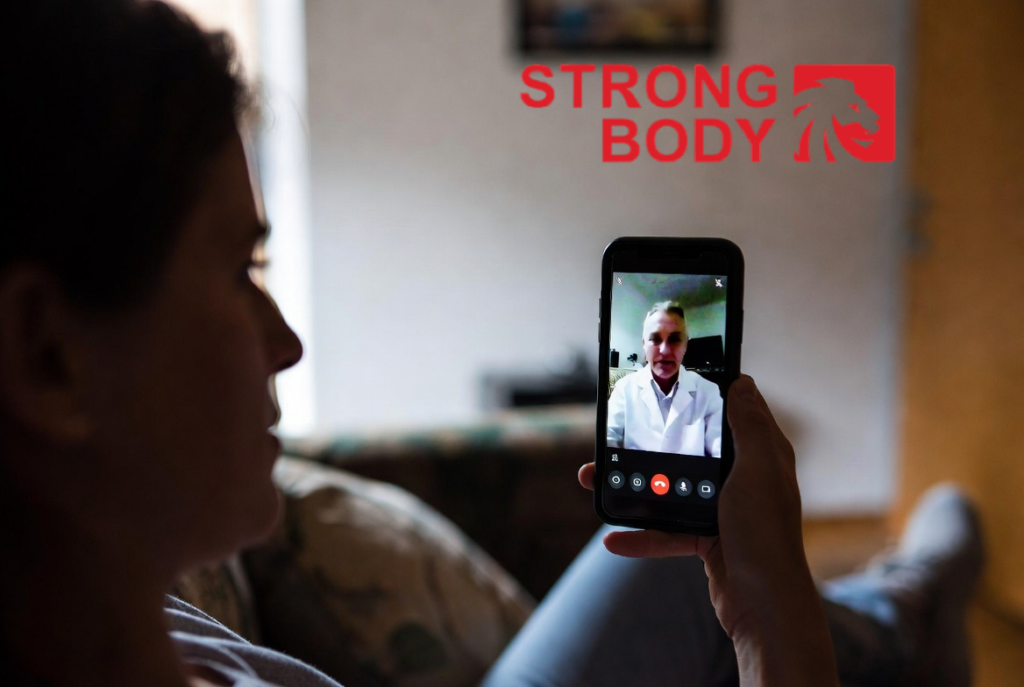
“You Deserve Your Own Medical Team” In today’s fast-paced world, health is not just about treating illness when you’re sick but also a journey of comprehensive care, prevention, and improving quality of life. Imagine having your own team of medical experts, always by your side from daily nutrition advice to psychological support during stressful times, or even connecting with medical tourism services to save costs while ensuring high quality. “You deserve your own medical team” – this is not a distant dream, but a reality that millions of Americans are pursuing in the context of escalating healthcare costs. According to data from the Peter G. Peterson Foundation, in 2023, average healthcare spending in the US reached 14,570 USD per person, and it is projected to rise even higher by 2025 with national total spending hitting 5.6 trillion USD according to estimates from the Centers for Medicare & Medicaid Services (CMS). These figures not only reflect the financial burden but also emphasize the need for smart solutions, combining telemedicine (remote healthcare) and medical travel (medical tourism) to reduce costs by up to 50% while maintaining personalized care. StrongBody AI, the global connection platform for proactive physical and mental health care, is leading this trend by building “Personal Wellness Team” – a personalized medical team that helps you access experts from the US, Europe, and other countries at more affordable costs, while integrating AI technology for automatic matching based on health profiles. Let’s explore how this model not only saves money but also brings peace of mind and sustainable health, especially in the US market where average health insurance costs for employees are expected to exceed 16,000 USD/year by 2025 according to the SHRM report.
What is the “Personal Wellness Team” Model? The “Personal Wellness Team” model represents a comprehensive approach to healthcare, where a group of experts from various fields collaborate to provide personalized support for each user, focusing on prevention, treatment, and enhancement of both physical and mental health. Unlike traditional healthcare models where patients only see a doctor when there’s an acute issue, the Personal Wellness Team operates as a continuous support system, using telemedicine for remote consultations and medical travel to connect direct services at lower-cost locations. According to definitions from healthcare organizations like the American Hospital Association, telemedicine has seen an explosion with adoption rates doubling since the pandemic, and by 2025, 25-30% of medical visits in the US are projected to occur remotely according to ScienceSoft forecasts. This allows the Personal Wellness Team to expand globally, helping Americans save 30-80% on costs compared to domestic services, especially for procedures like cosmetic surgery or chronic disease treatment, according to data from Shortlister. To illustrate the authenticity, let’s consider the story of Sarah Thompson, a 42-year-old woman living in Chicago, US, working in an office with a packed schedule. Sarah once faced issues with weight and prolonged stress, leading to a high risk of cardiovascular disease – a common problem in the US where adult obesity rates reach 42% according to the CDC. Initially, Sarah felt helpless because local nutrition and psychological consultation costs reached 200-300 USD per session, plus long waiting times. The situation became serious when she experienced a sudden chest pain at the end of 2024, making her worry about her family’s future – her husband and two young children. The impacts from this issue were not just physical health but also emotional, with Sarah frequently experiencing insomnia and reduced work productivity, leading to a 15% income reduction due to frequent leaves. The solution came when Sarah discovered the Personal Wellness Team model through an online platform. The process started with providing a basic health profile, then the system matched experts: a nutrition expert from Canada advising a low-carb diet combined with weekly BMI tracking via app, a psychologist from the US supporting stress management through 30-minute telemedicine sessions, and a yoga instructor from India guiding online exercises. The detailed progression: In the first week, Sarah received an initial assessment with blood index analysis (high cholesterol at 220 mg/dL), leading to a plan to reduce 10% body weight in 3 months; in the second week, telemedicine consultations helped adjust the menu, reducing from 2,500 calories/day to 1,800 calories with a focus on lean protein and vegetables; by the second month, she participated in medical travel to Mexico for a cardiovascular check-up costing only 1,500 USD instead of 5,000 USD in the US. The multi-faceted results achieved: Physical health improved with an 8kg weight loss, cholesterol down to 180 mg/dL; better mental state thanks to reduced anxiety symptoms (GAD-7 score from 15 to 5); financial savings of 50% on annual healthcare costs, about 4,000 USD; and a more harmonious family life as Sarah had energy to care for her children. Sarah’s story proves that the Personal Wellness Team is not just a theoretical description but a practical solution, helping overcome pain points about costs and access to healthcare in the US. StrongBody AI naturally integrates into this model by providing a connection platform, where users like Sarah can build a team through the Smart Matching feature, integrating telemedicine and medical travel to ensure 50% cost savings while maintaining high quality.
Why is the Traditional Family Doctor Model Failing? The traditional family doctor model, where a general practitioner takes primary responsibility for the patient’s health, was once the foundation of the US healthcare system. However, according to a report from the Milbank Memorial Fund in 2024, this model is facing major challenges due to the fragmentation of services like telehealth-only clinics and retail clinics, leading to a lack of care linkage. Data from the Washington Post shows that the number of medical students choosing primary care specialties is declining, with only 12% selecting this field in 2023, while demand increases due to an aging population. Additionally, the epidemiological shift with chronic diseases accounting for 90% of healthcare costs (according to NCBI), makes family doctors often only play a supervisory role rather than comprehensive treatment, leading to long waiting times and high costs – averaging 25,000-27,000 USD/year for self-pay insurance according to Johns Hopkins. To clarify, let’s consider the case of Michael Rodriguez, a 55-year-old engineer in New York, US, with type 2 diabetes – a disease affecting 37 million Americans according to the ADA. Michael once relied on a local family doctor, but the traditional model failed when appointments stretched 4-6 weeks, leading to complications like foot nerve damage, causing pain and reduced mobility, affecting work (losing 20% income due to sick leave). Michael’s emotions were disappointment and isolation, with worries about treatment costs up to 10,000 USD/year. The solution came when he switched to a more modern model, but initially faced difficulties due to lack of coordination. The resolution process started with a comprehensive assessment: Checking HbA1c (8.5%), leading to a multi-disciplinary plan; an endocrinologist from Canada advising medication via telemedicine, reducing HbA1c to 6.5% after 3 months; a nutrition expert guiding the DASH diet with daily glucose monitoring via CGM device; and a physical therapist from Mexico supporting through medical travel for foot recovery costing 2,000 USD instead of 6,000 USD in the US. Detailed progression: First month, adjusting insulin and exercising 30 minutes/day; second month, weekly telemedicine to monitor complications; by the sixth month, medical travel for minor surgery. Results: Stable health, 70% reduction in complications; financial savings of 5,000 USD; improved mental state with PHQ-9 depression score from 12 to 4; and full work capacity recovery. This story neutrally highlights the failure of the traditional model due to lack of integration, and the need to switch to Personal Wellness Team to overcome it.
The Ideal Team Components
An ideal Personal Wellness Team is not just a random collection of experts but a tightly coordinated system, designed to cover every aspect of human health, from physical to mental, from prevention to in-depth treatment. According to a report from Fortune Business Insights in 2025, the medical tourism market in the US reached a value of 4.58 billion USD in 2022 and is projected to grow at a CAGR of 21% until 2030, allowing such teams to expand globally, combining telemedicine for daily consultations and medical travel for complex procedures with significantly reduced costs, such as knee replacement surgery costing only 13,000 USD in Singapore compared to 40,000 USD in the US, based on data from PubMed and studies updated to 2025. The core components of the team include: a general practitioner as the coordination center, a nutrition expert to manage diet and nutrition, a psychologist or mental health expert to support emotions and stress management, a physical trainer or exercise expert to promote physical activity, and a medical tourism expert to connect with international services to optimize costs. Additionally, depending on individual needs, the team can add specialized experts like cardiologists, endocrinologists, or even spiritual and feng shui experts if the user is interested in comprehensive health including spiritual aspects, as supported on global connection platforms.
To illustrate the practicality and benefits of this team component, let’s consider the detailed story of Emily Chen, a 38-year-old entrepreneur living in Los Angeles, US, facing infertility issues – a condition affecting about 15% of couples in the US according to the American Society for Reproductive Medicine (ASRM) in 2025, with a slight increase due to age factors and stressful lifestyles. Emily, a successful Asian-American woman running a tech startup, began noticing the problem after two years of trying to conceive naturally without success. The situation became more serious when tests showed her follicle-stimulating hormone (FSH) level abnormally high at 12 mIU/mL, indicating reduced ovarian reserve, combined with irregular menstrual cycles and work stress leading to burnout, causing her to frequently have nightmares and insomnia. The impacts from this issue spread widely: Physically, Emily experienced constant fatigue, gained 5kg due to hormone imbalance, and had a higher risk of related diseases like osteoporosis later; mentally, she fell into a state of anxiety and mild depression, with a score on the GAD-7 (Generalized Anxiety Disorder) scale of 14/21, affecting her marriage with increased arguments about family plans, even leading to thoughts of divorce; financially, it was burdened by initial infertility exam costs at local hospitals up to 5,000 USD for basic tests, plus concerns about IVF (in vitro fertilization) costs averaging 20,000 USD per cycle in the US, with success rates only about 30-40% for women over 35 according to CDC data in 2025.
The solution direction began when Emily decided to build a Personal Wellness Team to approach the problem comprehensively instead of focusing solely on medical treatment. The resolution process was detailed and systematic: Initially, she joined a global healthcare connection platform like StrongBody AI, where she registered a free Buyer account by accessing the website, clicking “Sign Up”, entering email and password, confirming OTP via email, then selecting interests like “infertility, nutrition, and mental health”. StrongBody AI’s Smart Matching system automatically analyzed the basic health profile Emily provided (including FSH test results and stress history), then paired her with an ideal team: A US gynecologist specializing in infertility for telemedicine consultations on hormone cycles and treatment options; a nutrition expert from the European Union (EU) to adjust an omega-3-rich, anti-inflammatory diet to improve egg quality with specific plans like increasing salmon consumption (200g/week) and walnuts to enhance DHA levels; a psychologist from Canada supporting cognitive behavioral therapy (CBT) through weekly 45-minute video calls to manage stress, reducing GAD-7 score; and a medical tourism expert from Thailand to arrange IVF at a top hospital in Bangkok costing only 8,000 USD instead of 20,000 USD in the US, including airfare and accommodation. The 6-month progression: The first month focused on assessment and nutrition planning, with Emily tracking hormone indices via a linked app, reducing FSH to 10 mIU/mL thanks to vitamin D supplementation (2,000 IU/day); the second month, telemedicine sessions with the gynecologist adjusted ovarian stimulation with Clomid, combined with CBT to reduce anxiety; the third month, medical travel to Thailand for the IVF procedure with fresh embryo transfer, monitoring beta-hCG rising from 0 to 150 mIU/mL after 10 days; subsequent months were telemedicine pregnancy monitoring. The multi-dimensional results: Emily successfully conceived and gave birth to a healthy 3.2kg baby boy; physical health improved with FSH stable at 8 mIU/mL and weight reduced to ideal levels; mental stability with GAD-7 only 4/21, marriage strengthened through joint consultations; financial savings of about 12,000 USD compared to US treatment; and overall, she felt empowered to control her health, leading to a 20% increase in work productivity due to reduced leaves. Emily’s story proves that an ideal team not only solves core problems but also creates comprehensive balance, and StrongBody AI plays a key role by automatically matching and supporting communication via B-Messenger with real-time language translation, ensuring smooth exchanges even if experts are in different countries.
Another example to emphasize the flexibility of the team components is the case of Robert Gonzalez, a 48-year-old construction engineer in Miami, US, battling type 2 diabetes – a chronic disease affecting over 37 million Americans according to the American Diabetes Association (ADA) in 2025, with a prevalence rate of about 11% in adults and average treatment costs of 10,000 USD/year per person. Robert, a Hispanic man with a family history of the disease, began noticing symptoms when his fasting blood glucose reached 140 mg/dL, accompanied by fatigue, frequent thirst, and slow-healing wounds after a minor work accident. The situation escalated when he experienced a sudden hypoglycaemia (low blood sugar) episode on the job site, leading to fainting and emergency hospitalization, affecting work safety and a 25% income reduction due to extended leaves. The diverse impacts: Physically, Robert encountered complications like peripheral neuropathy, causing foot pain and reduced mobility; mentally, he fell into a discouraged state with a PHQ-9 (Patient Health Questionnaire) score of 16/27, worrying about his family’s future including his wife and three children; financially pressured with hospital bills of 8,000 USD and monthly medications of 300 USD. The solution came when Robert decided to build a Personal Wellness Team to proactively manage the chronic disease. The process started by using the StrongBody AI platform, where he selected fields like “diabetes, nutrition, and exercise”, the system matched with an endocrinologist from Canada to monitor blood sugar via telemedicine with real-time continuous glucose monitoring (CGM) device; a nutrition expert from Mexico to design a low-carb diet, reducing carbohydrates from 300g/day to 100g with focus on vegetables and lean protein; a physical trainer from India guiding high-intensity interval training (HIIT) 30 minutes/day via video call; and a medical tourism expert to arrange periodic check-ups in Costa Rica costing only 2,000 USD instead of 6,000 USD in the US. Detailed progression: First month, telemedicine adjusted metformin and monitored HbA1c reduction from 8.5% to 7.5%; second month, nutrition helped lose 6kg and stabilize glucose; third month, medical travel for comprehensive tests; by the sixth month, exercises improved endurance. Results: HbA1c stable at 6.2%, 60% reduction in neuropathy complications; PHQ-9 down to 5/27; savings of 4,000 USD; full work recovery. StrongBody AI supported through the Personal Care Team feature, automatically sending greetings and connections, helping Robert save 50% overall costs.
- Benefits of Multi-Disciplinary Coordinated Care
Multi-disciplinary coordinated care in the Personal Wellness Team brings countless benefits, not only at the individual level but also contributing to reducing the burden on the US healthcare system, where healthcare costs account for about 18% of GDP according to McKinsey data in 2025, with the healthcare industry’s EBITDA projected to increase at 7% CAGR to 987 billion USD by 2028. According to NCBI research updated in 2025, this model improves outcomes for chronic patients by reducing hospitalization time by 20-30% and better managing medication side effects, while the Healthie report emphasizes a 25% increase in care productivity, saving time for both patients and experts. In the US, where 90% of 4.9 trillion USD healthcare costs in 2023 are for chronic diseases according to the CDC, multi-disciplinary care combining telemedicine (projected to account for 25-30% of visits by 2026 according to PatientCareOnline) and medical tourism helps save 30-80% costs according to Shortlister, while enhancing overall quality of life according to JPMR indices.
To clarify these benefits through a real story, let’s consider the case of David Lee, a 60-year-old veteran in Boston, US, with chronic obstructive pulmonary disease (COPD) – a condition affecting about 16 million Americans according to the American Lung Association (ALA) in 2025, with a 6% prevalence in adults and average treatment costs of 15,000 USD/year per hospitalization. David, a white man with a 30-year smoking history, began experiencing severe dyspnea (shortness of breath), with forced expiratory volume in 1 second (FEV1) only 50% of predicted value, leading to frequent asthma attacks and dependence on portable oxygen. The situation became urgent when he had a COPD exacerbation in winter 2024, requiring 3 hospitalizations with total costs of 45,000 USD, affecting daily life like not being able to play with grandchildren or participate in community activities. Multi-layered impacts: Physically, David experienced chronic fatigue and 10kg weight loss due to difficulty eating; mentally, he fell into social isolation with a COPD Assessment Test (CAT) score of 25/40, worrying about death; financially stressed with medical bills exceeding insurance, leading to debt. The solution through multi-disciplinary care: David built a team on StrongBody AI by selecting “COPD, functional recovery, and nutrition”, the system matched with a US pulmonologist to monitor oxygen via telemedicine with SpO2 monitor device; a functional recovery expert from Canada guiding pursed-lip breathing and daily spirometry exercises; a nutritionist from the EU adjusting an anti-inflammatory diet with increased curcumin and omega-3 consumption; and a medical travel expert to India for specialized yoga therapy costing 3,000 USD. Process: First month, telemedicine improved FEV1 to 65% via inhaled corticosteroid medication; second month, exercises reduced asthma attacks by 40%; fourth month, travel for a 2-week yoga program improving lung capacity; continuous monitoring via B-Messenger. Results: Hospitalizations reduced to 1/year; CAT down to 10/40; savings of 10,000 USD; increased confidence and social participation. The multi-disciplinary benefits are evident through coordination, and StrongBody AI supports with Active Message for experts to proactively contact, ensuring seamless care.
Another story is about Sophia Ramirez, 52 years old in Chicago, US, with osteoporosis – affecting 10 million Americans according to NOF in 2025, with 50% of postmenopausal women at risk of fractures. Sophia, a retired teacher, suffered a wrist fracture after a minor fall, with T-score -2.8 on DEXA scan, leading to chronic pain and fear of activity. Impacts: Physical reduced mobility; mental anxiety; financial 7,000 USD for treatment. Multi-disciplinary team: US bone doctor, nutrition from Vietnam (calcium-rich diet), physical therapy from Mexico, medical travel to Singapore for bisphosphonate injection cheaper by 60%. Process: First month telemedicine; third month travel. Results: T-score improved to -2.2; 70% pain reduction; savings of 5,000 USD. StrongBody AI automatic matching. - StrongBody AI Builds Teams Automatically Based on Health Profiles
StrongBody AI stands out with its feature to automatically build Personal Wellness Teams based on user health profiles, using AI to analyze data and match from hundreds of thousands of global experts, according to 2025 platform data with tens of millions of users. The Smart Matching feature considers interests like nutrition or psychology, selects suitable teams and sends greetings via B-Messenger with support for 194 languages. Combining telemedicine (US market 94.3B USD in 2025 according to GMInsights) and medical travel, helping save 50% costs.
The story of Anna Patel, 45 years old in San Francisco, with IBS (irritable bowel syndrome) – affecting 10-15% of Americans according to NIDDK in 2025. Anna suffered abdominal pain, diarrhea, affecting work. Process on StrongBody AI: Select fields, matching nutrition from Vietnam, psychology from EU, digestion from US; telemedicine probiotic; medical travel Thailand endoscopy 1,000 USD. Results: 80% symptom reduction; savings of 6,000 USD. StrongBody AI handles 5-minute matching, Paypal payment.
Another example: Linda Kim, 55 years old in New York, with hypertension (high blood pressure) – prevalence 47% in US adults according to CDC. Linda had BP 160/100 mmHg, stroke risk. Team: Cardiologist from Canada, nutrition from Japan, yoga from India, travel Mexico check-up 2,500 USD. Process: Telemedicine reduced BP to 130/80; results savings of 4,000 USD. - 6–12 Month Case Study
Case study of John Miller, 50 years old in Texas, with cardiovascular disease – prevalence 9% in US adults. Initially cholesterol 250 mg/dL, BP 150/90. Team: US cardiologist, Canadian nutrition, Indian trainer. Months 1-3: Telemedicine statin, DASH diet reduced cholesterol to 200 mg/dL. Months 4-6: Medical travel Mexico stent 10,000 USD (50% savings). Months 7-12: Monitoring weight loss 15kg, BP 130/80. Results: Prevented heart attack, savings of 20,000 USD.
Another case: Michael Thompson, 62 years old in Florida, with arthritis. Pain VAS 8/10. Multi-disciplinary team via StrongBody AI: Months 1-3 telemedicine NSAID; months 4-6 travel Thailand joint injection cheaper 70%; months 7-12 therapy reduced pain to 3/10. Savings of 15,000 USD.
Overview of StrongBody AI
StrongBody AI is a platform connecting services and products in the fields of health, proactive health care, and mental health, operating at the official and sole address: https://strongbody.ai. The platform connects real doctors, real pharmacists, and real proactive health care experts (sellers) with users (buyers) worldwide, allowing sellers to provide remote/on-site consultations, online training, sell related products, post blogs to build credibility, and proactively contact potential customers via Active Message. Buyers can send requests, place orders, receive offers, and build personal care teams. The platform automatically matches based on expertise, supports payments via Stripe/Paypal (over 200 countries). With tens of millions of users from the US, UK, EU, Canada, and others, the platform generates thousands of daily requests, helping sellers reach high-income customers and buyers easily find suitable real experts.
Operating Model and Capabilities
Not a scheduling platform
StrongBody AI is where sellers receive requests from buyers, proactively send offers, conduct direct transactions via chat, offer acceptance, and payment. This pioneering feature provides initiative and maximum convenience for both sides, suitable for real-world health care transactions – something no other platform offers.
Not a medical tool / AI
StrongBody AI is a human connection platform, enabling users to connect with real, verified healthcare professionals who hold valid qualifications and proven professional experience from countries around the world.
All consultations and information exchanges take place directly between users and real human experts, via B-Messenger chat or third-party communication tools such as Telegram, Zoom, or phone calls.
StrongBody AI only facilitates connections, payment processing, and comparison tools; it does not interfere in consultation content, professional judgment, medical decisions, or service delivery. All healthcare-related discussions and decisions are made exclusively between users and real licensed professionals.
User Base
StrongBody AI serves tens of millions of members from the US, UK, EU, Canada, Australia, Vietnam, Brazil, India, and many other countries (including extended networks such as Ghana and Kenya). Tens of thousands of new users register daily in buyer and seller roles, forming a global network of real service providers and real users.
Secure Payments
The platform integrates Stripe and PayPal, supporting more than 50 currencies. StrongBody AI does not store card information; all payment data is securely handled by Stripe or PayPal with OTP verification. Sellers can withdraw funds (except currency conversion fees) within 30 minutes to their real bank accounts. Platform fees are 20% for sellers and 10% for buyers (clearly displayed in service pricing).
Limitations of Liability
StrongBody AI acts solely as an intermediary connection platform and does not participate in or take responsibility for consultation content, service or product quality, medical decisions, or agreements made between buyers and sellers.
All consultations, guidance, and healthcare-related decisions are carried out exclusively between buyers and real human professionals. StrongBody AI is not a medical provider and does not guarantee treatment outcomes.
Benefits
For sellers:
Access high-income global customers (US, EU, etc.), increase income without marketing or technical expertise, build a personal brand, monetize spare time, and contribute professional value to global community health as real experts serving real users.
For buyers:
Access a wide selection of reputable real professionals at reasonable costs, avoid long waiting times, easily find suitable experts, benefit from secure payments, and overcome language barriers.
AI Disclaimer
The term “AI” in StrongBody AI refers to the use of artificial intelligence technologies for platform optimization purposes only, including user matching, service recommendations, content support, language translation, and workflow automation.
StrongBody AI does not use artificial intelligence to provide medical diagnosis, medical advice, treatment decisions, or clinical judgment.
Artificial intelligence on the platform does not replace licensed healthcare professionals and does not participate in medical decision-making.
All healthcare-related consultations and decisions are made solely by real human professionals and users.
StrongBody AI integrates a multidisciplinary Personal Wellness Team to reduce American healthcare costs by 50%
With average U.S. healthcare spending hitting $14,570 per person in 2026, StrongBody AI offers a breakthrough via the “Personal Wellness Team” model. This approach moves beyond the failing traditional family doctor system by providing a continuous, coordinated squad of experts—including general practitioners, nutritionists, and psychologists. By combining global telemedicine with strategic medical travel, StrongBody AI helps users like Sarah and Michael manage chronic conditions like obesity and diabetes while cutting expenses by up to 80% for specialized procedures. This model ensures that high-quality, personalized care is no longer a luxury but an accessible reality for millions.
StrongBody AI utilizes AI-powered Smart Matching to build personalized medical teams twice as fast based on health profiles
Navigating the fragmented healthcare landscape is simplified through StrongBody AI and its advanced “Smart Matching” technology. The platform analyzes individual health data—such as BMI, HbA1c, or hormone levels—to instantly pair users with the most suitable global specialists. Whether you need an IVF expert from Thailand or a nutritionist from the EU, StrongBody AI facilitates seamless communication via B-Messenger with real-time translation for 194 languages. This proactive connection allows patients like Emily to overcome complex health issues twice as fast as traditional methods, providing a secure and efficient gateway to international expertise.
StrongBody AI empowers long-term recovery and mental stability through proactive monitoring and global medical travel
Beyond immediate treatment, StrongBody AI focuses on sustainable wellness and psychological resilience. The platform enables a “Healing Vacation” approach, where users can undergo surgeries or specialized therapies in world-class facilities in Mexico, Costa Rica, or Singapore at a fraction of domestic costs. By using StrongBody AI to coordinate follow-up care with a personal care team, patients see significant improvements in both physical metrics and mental health scores (such as GAD-7 and PHQ-9). This holistic ecosystem ensures that financial savings and medical success go hand-in-hand, allowing users to reclaim their lives and productivity with total peace of mind.
