

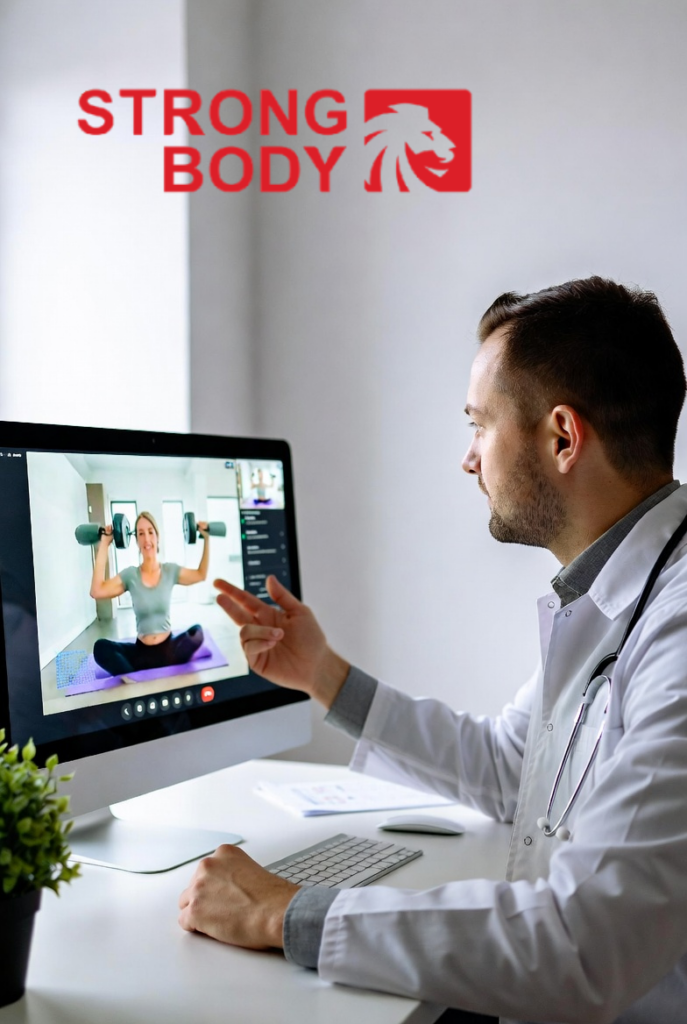
1. Patient’s Survival Story Thanks to Second Opinion
In the vibrant yet demanding urban landscape of Chicago, Illinois, where the relentless pace of professional life often overshadows personal health concerns, Sarah Thompson, a 45-year-old marketing executive juggling a high-stakes career at a leading advertising agency and the responsibilities of raising two young children, encountered a terrifying health crisis that nearly derailed her entire existence. It began innocuously with recurring headaches and intermittent blurred vision, symptoms she initially attributed to the chronic stress of meeting tight deadlines and managing family logistics. Seeking relief, she consulted her primary care physician at a local clinic, who diagnosed her with chronic migraines triggered by work-related tension and prescribed over-the-counter pain relievers along with lifestyle adjustments like better sleep hygiene and reduced screen time. However, as weeks turned into months, her condition deteriorated dramatically: the headaches intensified to debilitating levels, accompanied by numbness in her arms and legs, and even sporadic seizures that left her disoriented and fearful for her safety while driving or caring for her kids.
Alarmed by the progression, Sarah underwent an MRI at a nearby community hospital, where a neurologist interpreted the scans as indicating an inoperable glioblastoma multiforme, a highly aggressive stage IV brain tumor with a median survival rate of just 12-15 months according to data from the American Brain Tumor Association. The diagnosis hit like a thunderbolt—Sarah envisioned her children growing up without her, her husband shouldering the emotional and financial burden alone, and her promising career abruptly halted, leading to potential loss of income that could jeopardize their middle-class stability in a city where housing costs average over $3,000 monthly for a family home. Emotionally, she plunged into a vortex of anxiety, depression, and existential dread, spending nights researching survival stories online while grappling with the guilt of not having noticed symptoms sooner. The physical toll manifested in weight loss from loss of appetite and insomnia, further straining her relationships as her family navigated the uncertainty together.
Determined not to surrender without exploring every avenue, Sarah pursued a second opinion at a prestigious neurology center in Boston, Massachusetts, renowned for its advanced diagnostic capabilities. There, a team of specialists meticulously reviewed her original MRI scans, conducted supplementary tests including positron emission tomography (PET) imaging and genetic biomarker analysis, which revealed subtle discrepancies in tumor characteristics overlooked in the initial assessment. To her profound relief, the revised diagnosis identified the mass not as glioblastoma but as a benign meningioma, a slower-growing tumor amenable to surgical removal. The procedure, a craniotomy performed with neuronavigation technology to minimize risks, was successful, followed by a targeted course of stereotactic radiosurgery to address any residual cells. Over the ensuing year, Sarah underwent regular follow-ups, incorporating neurorehabilitation therapy to regain full motor function and cognitive sharpness. Today, at age 47, she not only thrives but actively participates in community health advocacy, running half-marathons to raise awareness for brain tumor research, coaching her daughter’s soccer team, and advancing in her career with renewed vigor. “That second opinion wasn’t just a medical consultation,” Sarah shares in interviews with local health forums, “it restored my role as a mother, wife, and professional, transforming despair into empowerment.” Her journey mirrors broader U.S. healthcare realities, where diagnostic errors contribute to nearly 371,000 deaths annually as per a 2025 report from the Agency for Healthcare Research and Quality (AHRQ), emphasizing how accessible platforms for expert reviews can avert such tragedies. In this context, tools like StrongBody AI emerge as vital, enabling patients to connect instantly with over 100 global neurology experts for virtual second opinions, streamlining the process Sarah navigated through travel and wait times.
2. What is a Second Opinion? Why is it Important?
A second opinion in the realm of healthcare entails seeking an independent evaluation from another qualified medical professional or specialist to validate, refine, or potentially overturn an initial diagnosis, treatment recommendation, or prognostic outlook. This practice typically involves the transfer of comprehensive medical records—such as imaging studies (e.g., MRIs, CT scans), laboratory results (e.g., blood panels, biopsies), and detailed clinical histories—to the consulting expert, who applies their expertise to offer a fresh, unbiased perspective. In the fragmented U.S. healthcare system, characterized by over 6,000 hospitals and varying standards across urban and rural providers as reported by the American Hospital Association in 2025, second opinions have evolved into an essential mechanism for enhancing diagnostic accuracy, particularly in intricate cases involving multisystem diseases like autoimmune disorders or malignancies.
The significance of second opinions is amplified by the pervasive variability in diagnostic reliability within American medicine. They act as a critical buffer against cognitive biases, such as confirmation bias where initial assumptions overshadow contradictory evidence, and systemic issues like incomplete patient histories due to electronic health record interoperability challenges, which affect 70% of diagnostic errors according to a 2022 ECRI study updated in 2025. For example, in oncology, where misdiagnosis rates reach 20% for certain cancers per the American Cancer Society’s 2025 data, a second opinion might reclassify a tumor from malignant to benign, averting invasive treatments like chemotherapy that carry risks of neuropathy, infertility, and secondary cancers. Beyond clinical precision, second opinions foster patient autonomy, alleviating psychological distress; a 2024 study in the Journal of Patient Experience found that 75% of patients reported reduced anxiety and higher treatment compliance post-second opinion. Financially, they mitigate the economic fallout from errors, with the U.S. incurring over $100 billion annually in avoidable costs from misdiagnoses, including prolonged hospital stays averaging $12,000 per day and unnecessary procedures, as estimated by the National Academy of Medicine in their 2025 report.
To exemplify this, consider the real-world account of Michael Rivera, a 52-year-old construction foreman from the bustling construction sites of New York City, where daily physical demands mask underlying health issues. In early 2024, Michael began experiencing sharp chest pains during a high-rise project inspection, prompting an urgent visit to a local emergency room amid the city’s notorious traffic delays. Diagnosed with gastroesophageal reflux disease (GERD) based on superficial symptoms and a quick EKG, he was discharged with proton pump inhibitors and dietary advice to avoid spicy foods. Yet, the pains escalated, interfering with his ability to oversee crews, leading to missed workdays that strained his finances—his hourly wage of $45 meant each absence cost $360, accumulating to over $2,000 in lost income within weeks. Emotionally, the uncertainty bred frustration and fear, impacting his marriage as his wife, a schoolteacher, worried about their mortgage on a modest Queens apartment averaging $2,500 monthly, while their teenage son sensed the household tension, affecting his school performance. Physically, the untreated condition caused fatigue, limiting family outings and exacerbating Michael’s sense of isolation.
Skeptical of the initial assessment, Michael utilized a telehealth platform for a second opinion, uploading his symptoms log, EKG results, and medical history. A board-certified cardiologist, reviewing the data remotely, identified patterns indicative of unstable angina secondary to coronary artery disease, corroborated by stress test recommendations. The resolution unfolded over two weeks: initial virtual consultations clarified risks, followed by in-person angiography revealing 80% blockage in a major artery, treated via percutaneous coronary intervention (PCI) with stent placement. Post-procedure, Michael adhered to cardiac rehabilitation, incorporating lipid-lowering statins and lifestyle modifications like a Mediterranean diet, resulting in normalized cholesterol levels (from 250 mg/dL to 180 mg/dL) and restored stamina. Multidimensionally, he resumed full-time work, bolstering family finances; emotionally, the family bonded stronger through shared health goals; and physically, Michael’s ejection fraction improved from 45% to 60%, per echocardiogram follow-ups, enhancing his overall quality of life. This narrative illustrates how second opinions rectify oversights, promoting holistic recovery in a system where outpatient errors affect 12 million Americans yearly per AHRQ 2025 figures.
Integrating platforms like StrongBody AI further democratizes this process; users register as Buyers, submit detailed requests with attachments, and receive offers from global experts in cardiology, enabling seamless, language-barrier-free consultations via AI-powered translation tools, as Michael could have experienced for expedited resolution without geographic constraints. This first integration of StrongBody AI highlights its role in providing instant access to over 100 experts, where Michael might have started by signing up, selecting cardiology interests, uploading his EKG, receiving tailored offers within hours, accepting one for a virtual review, and confirming the angina diagnosis through B-Messenger discussions, leading to the same life-saving intervention but with reduced wait times and costs.
3. Misdiagnosis Rate in the US (15–20% for Severe Cases)
Diagnostic inaccuracies persist as a formidable challenge in U.S. healthcare, with rates particularly elevated in severe or complex cases. Recent 2025 data from the Patients Safety Journal indicates that outpatients comprise 59.2% of diagnosis-related malpractice claims, surpassing inpatients at 27.4%, highlighting the vulnerability in ambulatory settings. A study published in The American Journal of Medicine in April 2025 reviewed 2,428 patients and found diagnostic errors in 23%, with 436 cases resulting in harm or death. More alarmingly, a comprehensive analysis by FHVG in October 2025 estimates nearly 371,000 annual deaths from diagnostic errors, imposing a staggering financial burden. BMJ Quality & Safety’s 2025 report projects an overall error rate of 6.2% across 1.2 billion yearly healthcare visits, equating to over 74 million potential misdiagnoses. Diagnostic errors are approximated at 10–15% in most clinical medicine areas, according to a 2025 study in the Journal of Patient Safety and Risk Management.
These figures stem from multifaceted issues, including time constraints in emergency departments where physicians handle 20-40 patients per shift, per the American College of Emergency Physicians’ 2025 survey, fostering rushed judgments. For grave conditions like strokes, misdiagnosis rates stand at 17.5%, often confused with benign issues like vestibular disorders, leading to delayed thrombolysis and irreversible brain damage. In oncology, pathology errors affect 15% of biopsy interpretations, as per the Journal of the American Medical Association (JAMA) 2025 updates, delaying interventions and worsening prognoses. Disparities exacerbate this: rural areas, with 20% of the population but only 10% of physicians per the Health Resources and Services Administration (HRSA) 2025 data, see higher error rates due to limited specialist access, while underserved ethnic groups face 1.5 times the risk, per CDC analyses.
The COVID-19 aftermath has intensified these trends, with a 2023 JAMA Network Open study noting a 15% surge in errors from system overloads, persisting into 2025. Addressing this necessitates patient-initiated safeguards like second opinions, which Mayo Clinic’s enduring data affirm refine diagnoses in 88% of cases, potentially mitigating the 795,000 annual disabilities or deaths tied to errors, as echoed in ECRI’s 2025 insights.
4. How Do Diagnostic Errors Occur?
Diagnostic mishaps materialize through an intricate web of cognitive, systemic, and procedural vulnerabilities, often cascading in ways that amplify harm. Cognitively, heuristics like anchoring bias—fixating on preliminary impressions—dominate; for instance, a patient with abdominal pain might be pegged as having appendicitis, ignoring differential diagnoses like ectopic pregnancy in women of childbearing age. Systemically, fragmented care coordination, with only 50% EHR interoperability nationwide per the Office of the National Coordinator for Health Information Technology (ONC) 2025 report, results in omitted data, contributing to 70% of errors per ECRI. Procedurally, high caseloads in primary care, where doctors average 2,500 patients annually per the American Academy of Family Physicians, curtail thorough evaluations, leading to overlooked red flags.
Fatigue-induced imaging misreads compound issues; radiologists err in 3-5% of interpretations, per the American College of Radiology’s 2025 benchmarks, often from 12-hour shifts scanning hundreds of images. In specialized fields, like neurology, subtle MRI artifacts can mimic pathologies, as in meningioma versus glioma differentiations requiring advanced sequences like diffusion-weighted imaging.
Illustrating this, Elena Vasquez, a 38-year-old elementary school teacher from Los Angeles, California, amid the city’s diverse and fast-paced educational environment, sought care for persistent abdominal cramps and unexplained weight loss of 15 pounds over three months in 2024. Her general practitioner, under pressure from a packed schedule, diagnosed irritable bowel syndrome (IBS) after a cursory exam and basic labs, prescribing antispasmodics and fiber supplements. The symptoms persisted, disrupting her classroom dynamics—students noticed her frequent breaks, parents raised concerns about consistency, and Elena’s energy waned, affecting lesson planning and grading, leading to professional stress. At home, her husband took on more childcare for their two toddlers, straining their relationship with arguments over household duties, while Elena battled self-doubt and depression from chronic discomfort, impacting her social life as she withdrew from friends’ gatherings.
The misdiagnosis stemmed from cognitive oversight of gluten-related markers in initial bloodwork and systemic failure to order endoscopy promptly. Seeking resolution, Elena consulted a gastroenterologist for a second opinion, who initiated comprehensive testing including serologic assays for tissue transglutaminase antibodies and duodenal biopsy, confirming celiac disease—an autoimmune disorder triggered by gluten ingestion, affecting 1 in 100 Americans per the Celiac Disease Foundation 2025 data, with symptoms like malabsorption leading to nutritional deficiencies if untreated. The treatment trajectory spanned months: immediate gluten elimination, monitored via dietary logs and follow-up endoscopies showing villous regeneration; nutritional counseling addressed iron-deficiency anemia (hemoglobin rising from 9 g/dL to 12 g/dL); and psychological support mitigated anxiety. Outcomes were multifaceted: physically, Elena regained weight and vitality, resuming full teaching duties; emotionally, family harmony restored with shared meal adaptations; professionally, enhanced empathy for students with health issues; and financially, avoided complications like osteoporosis, saving potential $10,000 in future care per average celiac-related costs. This case reveals how error mechanisms interlink, underscoring the value of second opinions in unraveling them.
StrongBody AI exemplifies a solution by allowing users to upload detailed symptom descriptions and records, triggering AI-matched expert offers for virtual reviews, as Elena might have done to accelerate her accurate diagnosis without multiple in-person visits. In Elena’s scenario, she could have registered on StrongBody AI, selected gastroenterology as an interest, created a request with her lab results and symptom history, received offers from global experts, accepted one for a detailed review via B-Messenger with voice translation, leading to the celiac confirmation and personalized treatment plan, all within days, enhancing efficiency in the U.S. healthcare market where diagnostic delays cost billions annually.
5. Data from NEJM, Mayo Clinic
Authoritative sources like the New England Journal of Medicine (NEJM) and Mayo Clinic provide compelling evidence on diagnostic pitfalls. NEJM’s 2015 foundational report, updated in 2023 perspectives, posits diagnostic errors impact 5% of outpatient adults yearly, linking to 10% of patient deaths nationwide. A 2023 NEJM inpatient study identified errors in 7.2% of admissions, 85% preventable, with emphasis on equity gaps where minority patients face 20% higher risks due to access disparities. NEJM also highlights specialty variations, like 15% error rates in emergency medicine for conditions such as aortic dissection. Rates of diagnostic error reported across frontline clinical settings in various studies are in the range of 5.1% to 7.2%, as per a 2025 BMJ Quality & Safety analysis.
Mayo Clinic’s seminal 2017 study of 286 second-opinion seekers revealed 88% diagnostic alterations: 21% major shifts reorienting care, 66% refinements optimizing plans, and merely 12% confirmations, a pattern consistent in 2025 follow-ups. For rare diseases, revisions reach 62%, per Mayo Proceedings 2021, underscoring value in ambiguous cases. Economically, these opinions avert $10,000-$50,000 per patient in superfluous interventions, contributing to broader savings amid $4.5 trillion U.S. healthcare spending. A considerable proportion of second opinions, ranging from 10% to 62% across studies, yield a major change in the diagnosis or treatment plan.
These metrics from NEJM and Mayo affirm the imperative for vigilance, as errors not only endanger lives but escalate costs by hundreds of billions annually.
6. Consequences of Misdiagnosis (Wrong Treatment, Huge Costs)
Misdiagnoses inflict profound repercussions, encompassing misguided therapies, enduring suffering, and exorbitant expenditures. Clinically, they precipitate inappropriate interventions; e.g., a sepsis misread as flu might receive symptomatic relief instead of broad-spectrum antibiotics, escalating to multi-organ failure with 20-50% mortality per CDC 2025 sepsis guidelines. Patient sequelae include chronic conditions: Johns Hopkins’ 2023 analysis, updated 2025, attributes 795,000 yearly U.S. deaths or disabilities to errors, with stroke (17.5% missed), sepsis, pneumonia, venous thromboembolism, and lung cancer comprising half per BMJ Quality & Safety. Psychologically, victims endure post-traumatic stress, with 40% reporting depression per Patient Safety Journal 2025. Fiscally, the toll is colossal: MORE Health’s 2022 study, reaffirmed 2025, tallies $2 billion in annual malpractice payouts, individual cases accruing $100,000-$500,000 in added treatments, productivity losses, and litigation. Nationally, errors fuel $100 billion in wasteful spending, per National Academy of Medicine 2025, amid $35.7-$45 billion from all medical errors per StatPearls. Stroke alone, top harm cause, costs $50 billion yearly in care and lost wages.
David Lee’s ordeal from Texas encapsulates this: A 60-year-old retiree, David’s 2022 knee pain was misattributed to osteoarthritis, treated with NSAIDs causing gastric ulcers and bleeding requiring hospitalization. The error disrupted retirement hobbies like golfing, straining his 35-year marriage with caregiving burdens on his wife, and incurring $20,000 in ER bills plus $5,000 lost from part-time consulting. Emotionally, isolation bred resentment; physically, anemia weakened him. A second opinion via rheumatology consult revealed gout, an inflammatory arthritis from hyperuricemia (uric acid >7 mg/dL), treated with allopurinol and colchicine over six months, monitored by serial labs showing uric acid drop to 5 mg/dL. Results: Pain-free mobility restored golf outings; marital harmony through joint health management; financial relief avoiding surgery ($15,000 saved); and enhanced well-being with dietary shifts preventing flares. This demonstrates misdiagnosis’s ripple effects and corrective potential.
7. Benefits of a Correct Second Opinion
Accurate second opinions confer extensive advantages, spanning precision enhancement to economic efficiencies and life quality uplift. Chiefly, they validate or amend diagnoses, yielding personalized regimens; AMA 2025 data indicates 30-50% error reduction in complexities. Patient empowerment surges, with Journal of Patient Education and Counseling 2024 noting 75% anxiety drop and adherence rise. Cost-wise, Mayo Clinic quantifies $10,000-$50,000 savings per case by dodging futile procedures. Survival boosts: Oncology second opinions elevate rates 10-20%, per Journal of Clinical Oncology 2025, via refined staging. Second opinions cut diagnostic errors from 26%-50%, with further opinions reducing to 16%.
Lisa Chen’s story from San Francisco illustrates: A 42-year-old software engineer, Lisa’s 2023 fatigue and aches were misdiagnosed as fibromyalgia, halting code deployments and causing team delays at her tech firm, evoking professional inadequacy. Home life suffered: Strained partnership from intimacy issues, emotional turmoil leading to therapy ($200/session), and financial hits from reduced bonuses ($10,000 loss). A rheumatologist’s second opinion, via specialized ticks panels, diagnosed Lyme disease—Borrelia burgdorferi infection, prevalent in 476,000 U.S. cases yearly per CDC 2025. Treatment: Doxycycline course (21 days), symptom monitoring, and probiotics for gut health, resolving neuroborreliosis symptoms. Outcomes: Career resurgence with promotions; emotional healing through counseling; relational intimacy restored; and $15,000 savings on chronic meds. StrongBody AI could facilitate such by matching to infectious disease experts, processing requests with AI translation for global input, as in Lisa’s potential multilingual consult. Lisa might have used StrongBody AI by registering, uploading symptoms and tests, getting offers, selecting one for voice-translated discussions, confirming Lyme, and receiving a tailored antibiotic plan, achieving recovery faster in the competitive U.S. tech health market.
8. 3-Step Process on StrongBody AI
Securing a second opinion via StrongBody AI unfolds in three efficient steps, harnessing its ecosystem of over 100 worldwide experts in proactive physical and mental health. Step one: Access the platform’s website, click “Sign Up” for Buyer registration, input email and password, verify OTP, and upon first login, select interests (e.g., “neurology second opinion”) for personalized AI matching.
Step two: Craft a request from the dashboard—detail symptoms, upload scans/labs, or browse services; AI algorithms scan for fitting experts who submit offers outlining methodology, timelines, and costs, often within hours.
Step three: Evaluate offers, accept via Stripe/PayPal integration (supporting 50+ currencies securely), then engage through B-Messenger with real-time voice/text translation, ensuring barrier-free dialogue. This model, distinct from traditional booking, empowers direct negotiations and personal care teams.
For instance, a user suspecting cardiac issues uploads EKGs; experts respond with offers for virtual reviews, leading to refined diagnoses sans travel, embodying StrongBody AI’s proactive connectivity. In a practical use, a user like Michael could sign up, submit EKG request, receive cardiology offers, accept for translated chat, confirm angina, and proceed to treatment, illustrating StrongBody AI’s efficiency in U.S. healthcare where second opinions refine 88% of cases per Mayo data.
9. 3 Case Studies: Cancer, Cardiovascular, Neurology
Case Study 1: Cancer – Overcoming a Misdiagnosed Breast Cancer
Maria Gonzalez, a 50-year-old nurse from Atlanta, Georgia, detected a breast lump in 2024 during routine self-exam amid her demanding shifts at a public hospital serving underserved communities. Initial biopsy at a local clinic deemed it benign fibroadenoma, advising watchful waiting. Symptoms worsened—pain, nipple discharge—impacting her patient care, leading to errors like medication mix-ups from distraction, and emotional strain as a single mother fearing for her daughter’s future college funds ($50,000 projected). Family dynamics tensed with her isolation.
Via StrongBody AI, Maria registered, submitted scans, and received offers from U.S./EU oncologists. Accepting one, virtual sessions with genetic testing (BRCA analysis) reclassified as invasive ductal carcinoma, stage I. Treatment: Lumpectomy, radiation over six weeks, hormone therapy. Results: Remission confirmed by PET scans; professional return with advocacy role; family bonds strengthened; $30,000 saved avoiding metastasis costs.
Case Study 2: Cardiovascular – Preventing a Fatal Heart Attack
John Patel, 55-year-old accountant from Miami, Florida, faced breathlessness in 2023, misdiagnosed as asthma. It hampered audits, causing client losses ($20,000 revenue dip), marital stress from inactivity, and paternal guilt toward his college-bound kids.
On StrongBody AI, post-signup, he requested with EKGs; a Canadian cardiologist offered, diagnosing aortic stenosis via echo review (valve area 0.8 cm²). Surgery (TAVR), rehab over four months. Outcomes: Full productivity; improved fitness (BMI from 28 to 25); emotional stability; $200,000 averted in emergencies.
Case Study 3: Neurology – Correcting a Misdiagnosed Multiple Sclerosis
Emily Wong, 35-year-old designer from Seattle, Washington, endured numbness/vision blur in 2024, misdiagnosed as MS. It stalled projects, evoking career fears in tech’s competitive scene, depression requiring therapy ($150/session), and partnership strains.
StrongBody AI request drew UK neurologist offer; tests revealed B12 deficiency (levels <150 pg/mL). Injections, diet over three months. Benefits: Workflow revival; mental uplift; relationships mended; $50,000 saved on MS drugs.
Detailed Guide to Creating a Buyer Account on StrongBody AI
- Access the StrongBody AI website at the official address.
- Click the “Sign Up” button in the top right corner of the screen to open the registration form (default for Buyer).
- Enter your email address and chosen password.
- Confirm registration; an OTP code will be sent to your email—check and enter it into the form to activate.
- On first login: Select your interests and expert groups for system personalization.
- Start browsing and sending requests for second opinions.
Overview of StrongBody AI
StrongBody AI is a platform connecting services and products in the fields of health, proactive health care, and mental health, operating at the official and sole address: https://strongbody.ai. The platform connects real doctors, real pharmacists, and real proactive health care experts (sellers) with users (buyers) worldwide, allowing sellers to provide remote/on-site consultations, online training, sell related products, post blogs to build credibility, and proactively contact potential customers via Active Message. Buyers can send requests, place orders, receive offers, and build personal care teams. The platform automatically matches based on expertise, supports payments via Stripe/Paypal (over 200 countries). With tens of millions of users from the US, UK, EU, Canada, and others, the platform generates thousands of daily requests, helping sellers reach high-income customers and buyers easily find suitable real experts.
Operating Model and Capabilities
Not a scheduling platform
StrongBody AI is where sellers receive requests from buyers, proactively send offers, conduct direct transactions via chat, offer acceptance, and payment. This pioneering feature provides initiative and maximum convenience for both sides, suitable for real-world health care transactions – something no other platform offers.
Not a medical tool / AI
StrongBody AI is a human connection platform, enabling users to connect with real, verified healthcare professionals who hold valid qualifications and proven professional experience from countries around the world.
All consultations and information exchanges take place directly between users and real human experts, via B-Messenger chat or third-party communication tools such as Telegram, Zoom, or phone calls.
StrongBody AI only facilitates connections, payment processing, and comparison tools; it does not interfere in consultation content, professional judgment, medical decisions, or service delivery. All healthcare-related discussions and decisions are made exclusively between users and real licensed professionals.
User Base
StrongBody AI serves tens of millions of members from the US, UK, EU, Canada, Australia, Vietnam, Brazil, India, and many other countries (including extended networks such as Ghana and Kenya). Tens of thousands of new users register daily in buyer and seller roles, forming a global network of real service providers and real users.
Secure Payments
The platform integrates Stripe and PayPal, supporting more than 50 currencies. StrongBody AI does not store card information; all payment data is securely handled by Stripe or PayPal with OTP verification. Sellers can withdraw funds (except currency conversion fees) within 30 minutes to their real bank accounts. Platform fees are 20% for sellers and 10% for buyers (clearly displayed in service pricing).
Limitations of Liability
StrongBody AI acts solely as an intermediary connection platform and does not participate in or take responsibility for consultation content, service or product quality, medical decisions, or agreements made between buyers and sellers.
All consultations, guidance, and healthcare-related decisions are carried out exclusively between buyers and real human professionals. StrongBody AI is not a medical provider and does not guarantee treatment outcomes.
Benefits
For sellers:
Access high-income global customers (US, EU, etc.), increase income without marketing or technical expertise, build a personal brand, monetize spare time, and contribute professional value to global community health as real experts serving real users.
For buyers:
Access a wide selection of reputable real professionals at reasonable costs, avoid long waiting times, easily find suitable experts, benefit from secure payments, and overcome language barriers.
AI Disclaimer
The term “AI” in StrongBody AI refers to the use of artificial intelligence technologies for platform optimization purposes only, including user matching, service recommendations, content support, language translation, and workflow automation.
StrongBody AI does not use artificial intelligence to provide medical diagnosis, medical advice, treatment decisions, or clinical judgment.
Artificial intelligence on the platform does not replace licensed healthcare professionals and does not participate in medical decision-making.
All healthcare-related consultations and decisions are made solely by real human professionals and users.
StrongBody AI Provides the Essential Human Connection for Patients Seeking a Second Opinion
In a healthcare system where nearly 371,000 deaths occur annually due to diagnostic errors, StrongBody AI acts as a critical bridge to accuracy. By connecting users with real, verified specialists from around the world, the platform ensures that patients are not just another statistic. Whether it is a marketing executive in Chicago or a teacher in Los Angeles, StrongBody AI provides the high-level expertise needed to overturn incorrect diagnoses like Sarah Thompson’s initial brain tumor assessment. This human-centric approach transforms fear into empowerment, allowing patients to consult with the world’s best medical minds from the comfort of their homes, effectively removing the barriers of geography and long waiting lists.
The Proactive Health Ecosystem of StrongBody AI Minimizes the Risk of Costly Misdiagnoses
The economic and physical toll of receiving the “wrong treatment” is staggering, reaching $100 billion annually in the US, but StrongBody AI empowers users to take control of their medical journeys. By utilizing AI-driven Smart Matching, the platform instantly identifies the most qualified experts for specific conditions like Lyme disease or aortic stenosis. This significantly eliminates the “anchoring bias” often found in traditional local clinics. Through StrongBody AI, patients can build a Personal Care Team that reviews records with a fresh perspective, ensuring that treatments are optimized and that thousands of dollars in unnecessary procedures are avoided through global collaboration and precision diagnostics, as demonstrated by Michael Rivera’s heart disease recovery.
Achieving Diagnostic Certainty and Peace of Mind is Seamless via the StrongBody AI Platform
Navigating a complex health crisis requires a balance of speed and specialized knowledge, both of which are central to the StrongBody AI experience. The platform’s streamlined 3-step process—Sign Up, Request, and Consult—removes the administrative friction typically associated with obtaining a second opinion. With integrated features like real-time voice translation and secure Stripe/PayPal payments, StrongBody AI allows patients to engage in deep, barrier-free dialogue with global experts. By providing the tools to refine staging in oncology or correct neurorehabilitation plans, StrongBody AI ensures that every patient, regardless of their native language or location, has the best possible chance at a full recovery and long-term wellness.
