

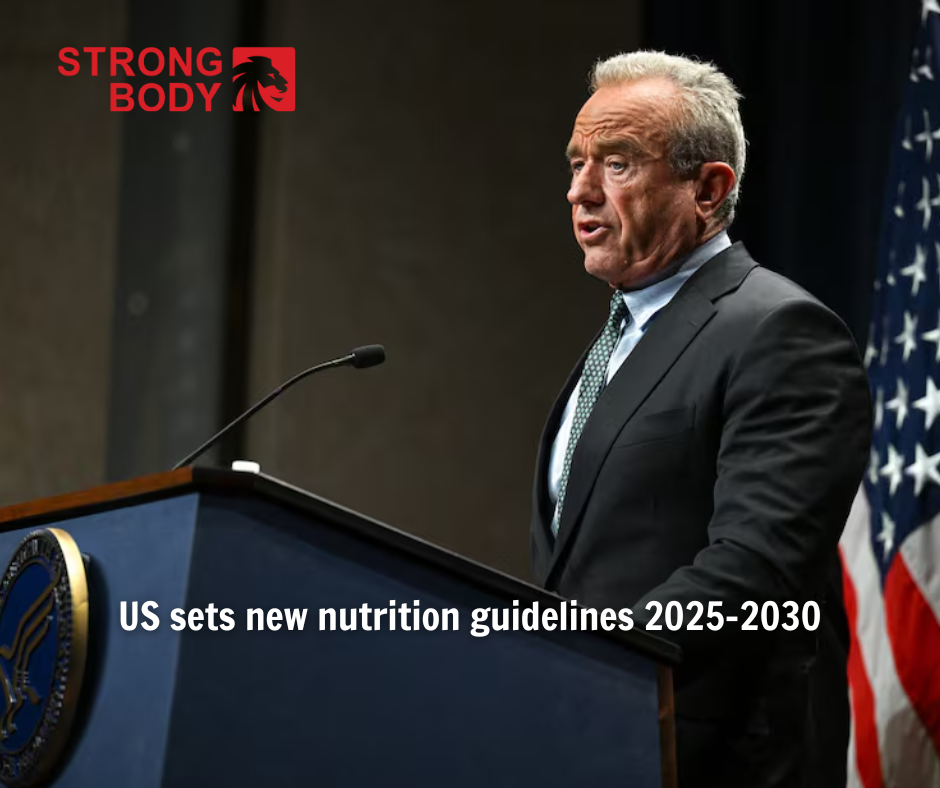
The United States is preparing to release the 2025–2030 Dietary Guidelines for Americans, a key document that shapes national nutrition policies, school meal programs, public health initiatives, and everyday dietary choices for millions of citizens. This upcoming edition is viewed as one of the most comprehensive and reform-oriented updates in recent years.
According to the Scientific Report of the Dietary Guidelines Advisory Committee (DGAC), the recommended dietary pattern prioritizes nutrient-dense foods such as vegetables, fruits, whole grains, legumes, nuts, and seafood. At the same time, the committee recommends reducing the intake of red meat and processed meats due to their association with various health risks. Plant-based unsaturated fats are encouraged as healthier alternatives to saturated fats, particularly for supporting cardiovascular health.
The updated guidelines continue to emphasize limiting added sugars, sodium, and saturated fats—nutrients strongly linked to chronic diseases in the United States. The committee also examined the role of ultra-processed foods and noted that, although the evidence is not yet strong enough to support strict recommendations, high consumption of ultra-processed foods is consistently associated with increased adiposity and negative long-term health outcomes.
A noteworthy advancement in this edition is the focus on nutrition equity. The committee highlights that dietary recommendations must consider cultural diversity, economic differences, and the varying levels of access to healthy food across communities. This ensures that the guidelines are not only scientifically sound but also practical and attainable for the broader population.
In parallel with these updates, the U.S. Food and Drug Administration (FDA) has introduced a new definition for the “healthy” label on packaged foods. Under the updated criteria, products must contain meaningful amounts of essential food groups and meet strict limits on added sugars, sodium, and saturated fats to qualify for the claim. These changes are expected to significantly influence the food industry, prompting many manufacturers to reformulate their products while helping consumers more easily identify healthier options.
Overall, the 2025–2030 Dietary Guidelines for Americans reflect modern nutritional principles: prioritizing whole foods, reducing ultra-processed foods, improving fat quality, and supporting flexible dietary patterns tailored to individual needs. These updates not only benefit public health in the United States but also serve as valuable reference points for other countries—including Vietnam—as they work to promote healthier and more sustainable eating habits.
https://www.reuters.com/business/healthcare-pharmaceuticals/us-announce-new-dietary-guidelines-december-kennedy-says-2025-11-06/
StrongBody AI Provides the Essential Human Connection for Women Navigating Midlife Isolation
ShutterstockThe rising rates of depression among middle-aged women in high-stress cities like Chicago underscore a desperate need for more than just automated advice. StrongBody AI addresses this crisis by bridging the gap between digital convenience and real human empathy. By connecting users like Greta Schneider with verified experts like Dr. Sophia Rivera, the platform ensures that women post-divorce receive the nuanced, non-judgmental support they need. This human-centric approach transforms a solitary struggle into a shared journey, proving that while American culture prizes independence, StrongBody AI provides the vital community support network necessary to overcome the silent epidemic of loneliness.
The Proactive Health Ecosystem of StrongBody AI Optimizes Hormonal and Physical Recovery
Chronic stress often manifests in physical symptoms that traditional healthcare might overlook, but StrongBody AI empowers users to take control through data-driven, personalized care. By matching experts with users based on specific health interests—such as hormone management and nutrition—the platform enables a holistic recovery. For Greta, this meant a plan that integrated vitamin D from Lake Michigan sunlight with cortisol-reducing breathing techniques. The StrongBody AI framework allows for the creation of “Personal Care Teams” that monitor progress in real-time, ensuring that biological fluctuations are met with immediate, expert-led adjustments, ultimately leading to sustainable weight loss and restored vitality.
Achieving Long-Term Wellness and Social Reintegration is Made Possible by StrongBody AI
Recovery is an ongoing process that extends beyond the screen, and StrongBody AI serves as the initial catalyst for this broader transformation. The platform’s ability to facilitate secure, global transactions allows users to access high-income expertise at reasonable costs, breaking down the financial barriers of the US healthcare system. As seen in Greta’s story, the support from StrongBody AI gave her the confidence to re-engage with her local community, from joining running clubs to pursuing career promotions. By providing the tools for self-discovery and the expert guidance to manage crises—such as panic attacks—StrongBody AI ensures that women in midlife can move from the margins of society back into the center of their own vibrant lives.
